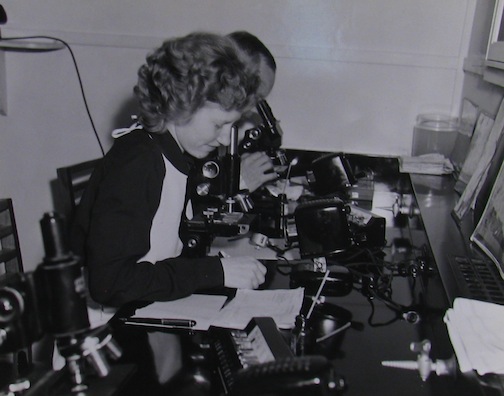
WAVE Mattie Hyde, a Pharmacist’s Mate 2nd class, takes a CBC (complete blood count) at the U.S. Naval Hospital in Oakland, California in May 1943.
The photograph comes from the National Archives.
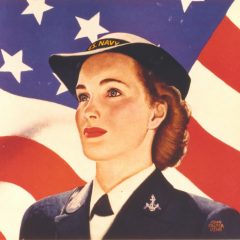
A Blog About Women Who Were Homefront Heroines: the WAVES of World War II
WAVE Mattie Hyde, a Pharmacist’s Mate 2nd class, takes a CBC (complete blood count) at the U.S. Naval Hospital in Oakland, California in May 1943.
The photograph comes from the National Archives.

WAVE Alice T. Hunter, a Pharmacist’s Mate 3rd class, helps a sailor with physical therapy at the U.S. Naval Hospital in Oakland, California in May 1943.
The photograph comes from the National Archives.

WAVE Beverly Alexander, a Pharmacist’s Mate 2nd class, checks a sailor into physical therapy at the U.S. Naval Hospital in Oakland, California in May 1943.
The photograph comes from the National Archives.

On this day in Navy History, 70 years ago, the WAVES Quarters D post office in Washington DC became. the first post office of its size (more than one or two employees) to be staffed entirely by women. On duty is Evelyn Bailey.
The photo comes from the National Archives.

This is pretty serious stuff. Published 71 years ago today, these are the punishments WAVES could receive for various offenses during boot camp at the Naval Training Center in the Bronx. Disobedience of Shore Patrol? That S.C.M stands for “special court martial.” D.C? Detention Center.
Shape up, ladies!
The schedule comes from the special collections in the Schlesinger Library at the Radcliffe Institute for Advanced Study.
 WAVES do exercises on the lawn of Hunter College, which was used at the Navy’s boot camp for women during World War II.
The photo comes from the National Archives.
Great photo!
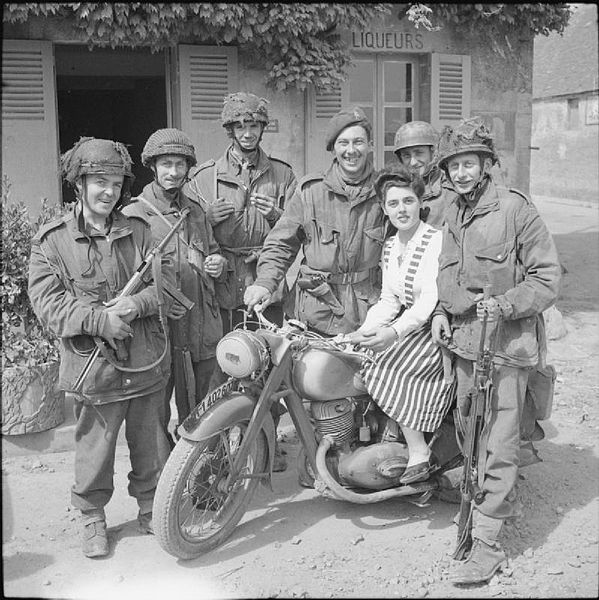 Mapham J (Sgt), No 5 Army Film & Photographic Unit Official photographer. IWM B 5585
The British Army in the Normandy Campaign 1944. Glider troops pose with a local French girl on a captured German motorcycle.
Glider infantry was a type of airborne infantry in which soldiers and their equipment were inserted into enemy controlled territory via military glider rather than parachute. Initially developed in the late 1930s by Germany, glider infantry units were used extensively during World War II but are no longer used by any modern military.
In 1942, Winston Churchill decreed the formation of a British glider force of 5000 gliders.
Glider landings in The Battle of Normandy were very successful. In particular, one coup de main force in six Horsa gliders seized vital bridges over the River Orne by surprise. The British 6 Airlanding Brigade were in action early on following concentrated landings, and prevented early…
View original post 22 more words
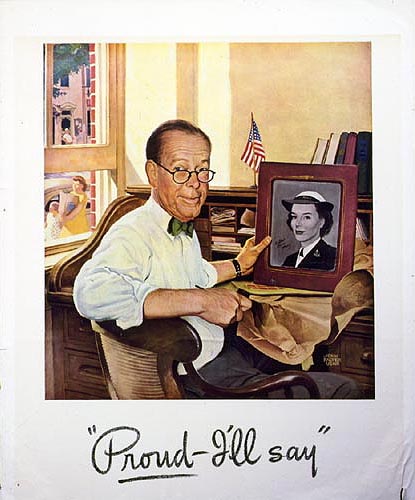
Recruitment poster c. 1943 for the Navy WAVES shows a proud father and a photograph of his daughter in her uniform.
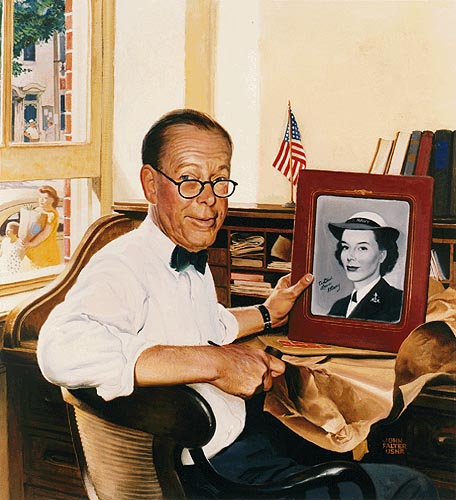
And this is the original John Falter painting that inspired the image. Seemed appropriate to share these this Father’s Day.
Both come from the Naval History and Heritage Command.

Navy WAVES raise the flag outside of their Quonset hut barracks c. 1944. It seemed an appropriate image for this Flag Day.
The photo comes from the special collections in the Schlesinger Library at the Radcliffe Institute for Advanced Study.

Admiral Ernest J. King greets WAVES Lt. Commander Mildred McAfee at a breakfast given by WAVES by high-ranking Naval officers, members of Congress, and other dignitaries at the Hotel Statler, Washington, DC.
The photograph comes from the National Archives.

 Hinges of History