Navy Men

Dorothy Turnbull had a history of service with the Navy in her family. Her father was in the Navy during World War I, and her brother later would become a Navy officer during World War II.

As World War I was ending, Dorothy’s father, the longtime New Orleanian, was sent back to the U.S. in New York. There he met Dorothy’s mother, a New Yorker from German Harlem. They married and moved to the South.

This photograph comes from the collection of Dorothy Turnbull Stewart.

Growing Up

Dorothy Turnbull was born on July 24, 1922 and grew up in New Orleans.

 My father was born in Algiers, which is across the river from New Orleans. I think people today know something about the area from Katrina. Algiers suffered, but not as much as the city proper. But long time ago he was from there.  I always used to tell people though, they said, “Oh, my, you have an interesting background!”  (laughs)  Algiers thinking of the foreign land.

She had one older brother who was two years older. Dorothy’s father was a real estate developer, but she doesn’t really remember any hardship as a child.

This photograph comes from the collection of Dorothy Turnbull Stewart.

Dorothy Turnbull Stewart

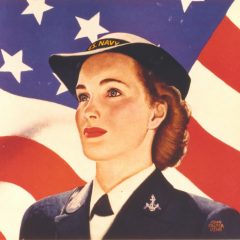
Meet Dorothy Turnbull (Stewart). Dorothy served as a WAVE during World War I. She was a recruiter based in southern Texas and she encouraged women to enlist in the WAVES during World War II.

Over the next few days, we’ll bring you Dorothy’s story, in her own words. She’s also featured in the film Homefront Heroines: The WAVES of World War II.

This is a photograph of Dorothy during her Navy career. It comes from the collection of Dorothy Turnbull Stewart.
First Carrier Strike Group Commander

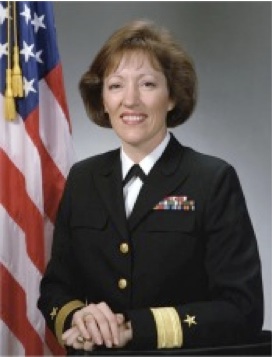
Various women’s firsts would continue over the years. First Hispanic Brigadier General. First African American pilot. First helicopter pilot. First combatant ship commander. In 2010, the Navy appointed Rear Admiral Nora Tyson to be the first female to command a carrier strike group.

This photograph comes from the Naval History and Heritage Command.

On to Combat Ships

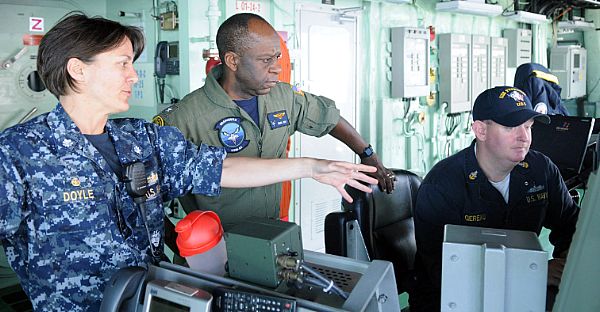
Women were allowed to serve aboard ships in 1978, but it wouldn’t be until 1993 that women were allowed on combatant ships.

This photograph shows Cmdr. Kris Doyle, commanding officer of the littoral combat ship USS Freedom (LCS 1), explains the readiness control officer console on Freedom’s bridge to Rear Adm. Earl L. Gay. It comes from the U.S. Navy.

Women on Ships

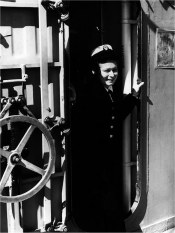
The milestones continued in the 1970s. The Navy’s women in ships program began in 1978. It allowed women to serve on a wide variety of auxiliary ships (but not combat ships).

This photograph shows Seaman Recruit Joy Turner in the doorway of a repair ship. In 1978, USS Vulcan became the first U.S. Navy ship other than a hospital ship to have women permanently stationed on board.

The photograph comes from the Naval History and Heritage Command.