
Between 10,000 and 11,000 women volunteered to become a SPAR. The average enlisted woman was 22 years of age, and like the WAVES she held a high school diploma and had a few years of work experience.
A Blog About Women Who Were Homefront Heroines: the WAVES of World War II
Between 10,000 and 11,000 women volunteered to become a SPAR. The average enlisted woman was 22 years of age, and like the WAVES she held a high school diploma and had a few years of work experience.

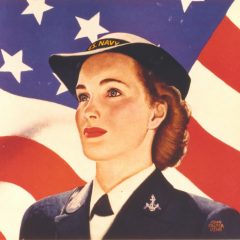
Among the artists used by the Coast Guard to promote the SPARs was celebrated pin-up artist Alberto Varga. This poster from the National Museum of the U.S. Navy features a Varga design.

Like the WAVES, the Coast Guard SPARs would have the same rank and pay as their male counterparts. And like Coast Guard men, the SPARs fell under Navy jurisdiction during World War II. Military protocol demanded that the Coast Guard be commanded by the Navy during wartime.
This recruitment poster comes from the National Museum of the U.S. Navy.
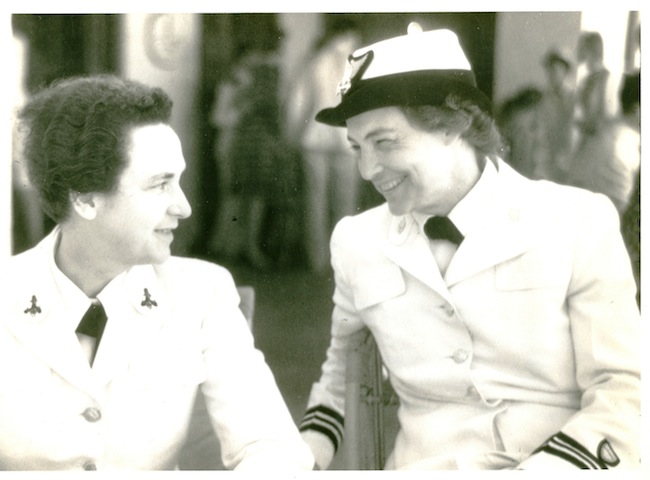
The SPARS, like the WAVES, turned to higher education for their leader. Dorothy Stratton was the first full time Dean of Women at Purdue University as World War II started. She left higher education to join the service, become a member of the first WAVES’ officer class at Smith College. She was then assigned as Assistant to the Commanding Officer of the WAVES radio training program at the University of Wisconsin, Madison.
This photograph of Stratton and WAVES commander Mildred McAfee comes from the U.S. Coast Guard.

Because of the holiday weekend, we held off on this post until today. But it was 70 years ago, November 23, 1942, that the Coast Guard SPARS was founded. The SPARS were the Coast Guard’s women’s reserve and their name came from the Coast Guard motto Semper Paratus, Always Ready.
This recruitment poster comes from the National Museum of the U.S. Navy at the Navy Yard in Washington, DC.
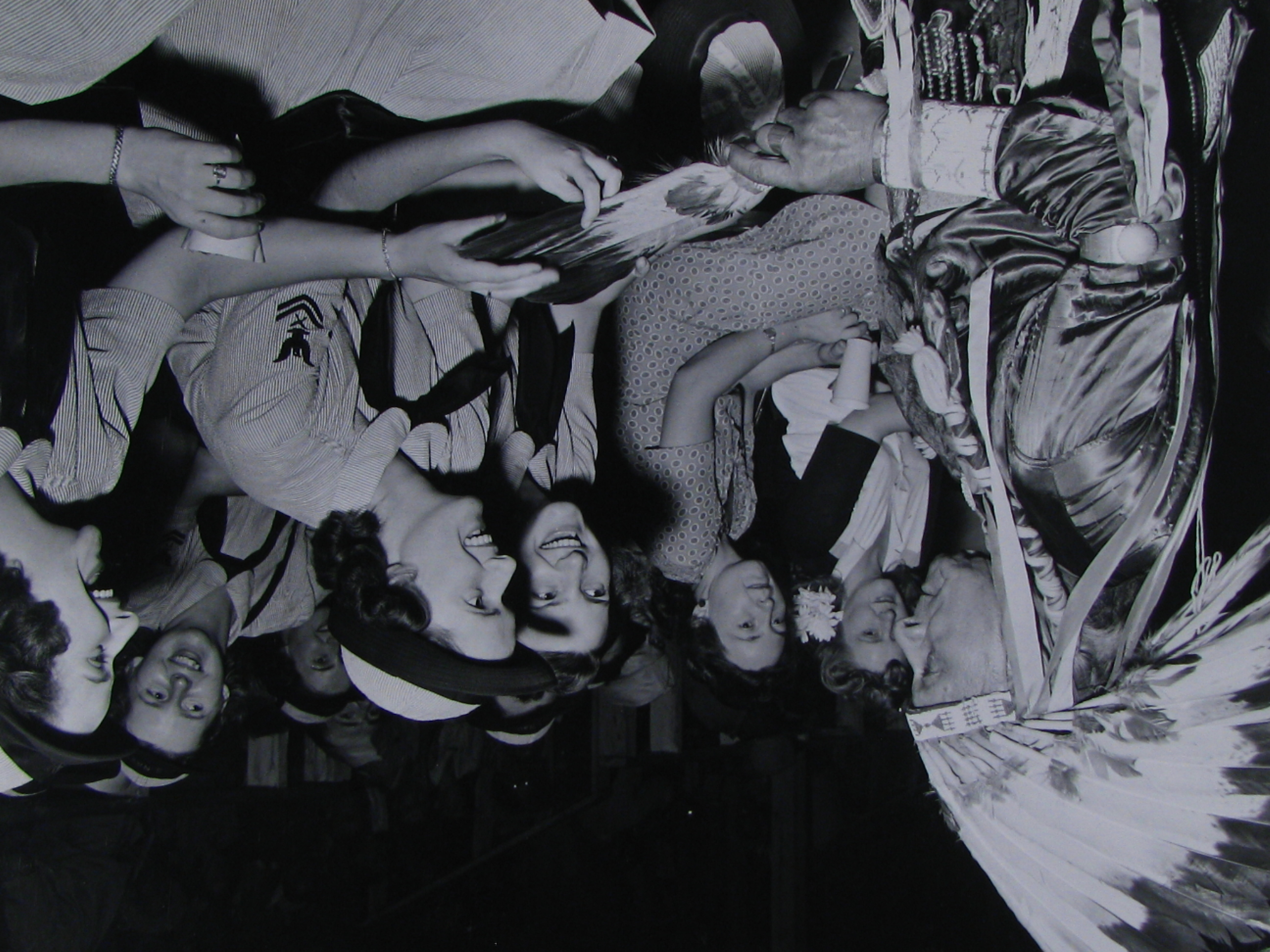
This National Archives photograph was taken at the American-Indian Exposition at Anadarko, Oklahoma, 1944. The caption reads:
WAVES from NAS, Norman, Oklahoma, were fascinated by the trapping of this real old Indian dancer. His eagle feature fan was minutely examined and appraised. Although he couldn’t speak a word of English, the translator supplied his name. It’s George Washington Daunkia and the WAVES are, left to right: front row, Virginia Low, Yeoman 2nd Class, Rita Eichalbargar, Yeoman 2nd Class, and Betsye Stratton, Yeoman 3rd Class, around from the second row is Ann Skrip, Storekeeper 2nd Class.

This National Archives photograph was taken at the American-Indian Exposition at Anadarko, Oklahoma, 1944. The caption reads:
There is nothing like comparing costumes. Two full-blooded Indian girls meet for a pow-wow and the main interest was not the beautiful trappings of the Native Indian costume but in the WAVES uniform. The WAVE is Delores Beaver, Specialist 2nd Class, who is stationed at NAS, Norman, Oklahoma. The Indian girl examining her tie is Sally Rice who was one of the featured dances in the exposition pageant.

WAVES from the Cedar Falls boot camp check into their next station, greeted by Navy man Frank F. Miller.
The photograph comes from the National Archives.
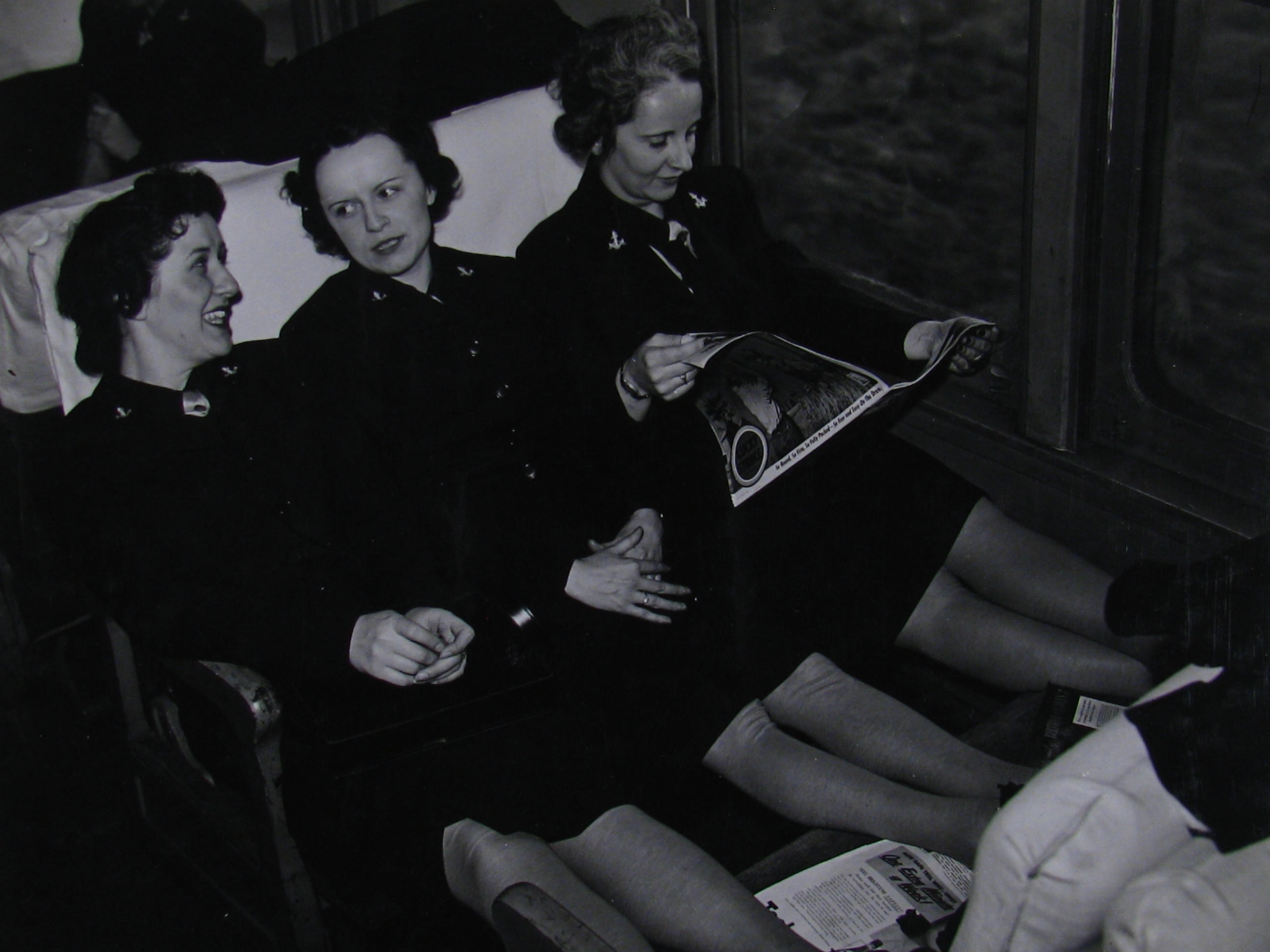
WAVES put their feet up, after completing training at the Cedar Falls boot camp. From left, Helen Lane, Marjorie Hilben and Edna Brown are heading to their new assignments in this National Archives photograph.
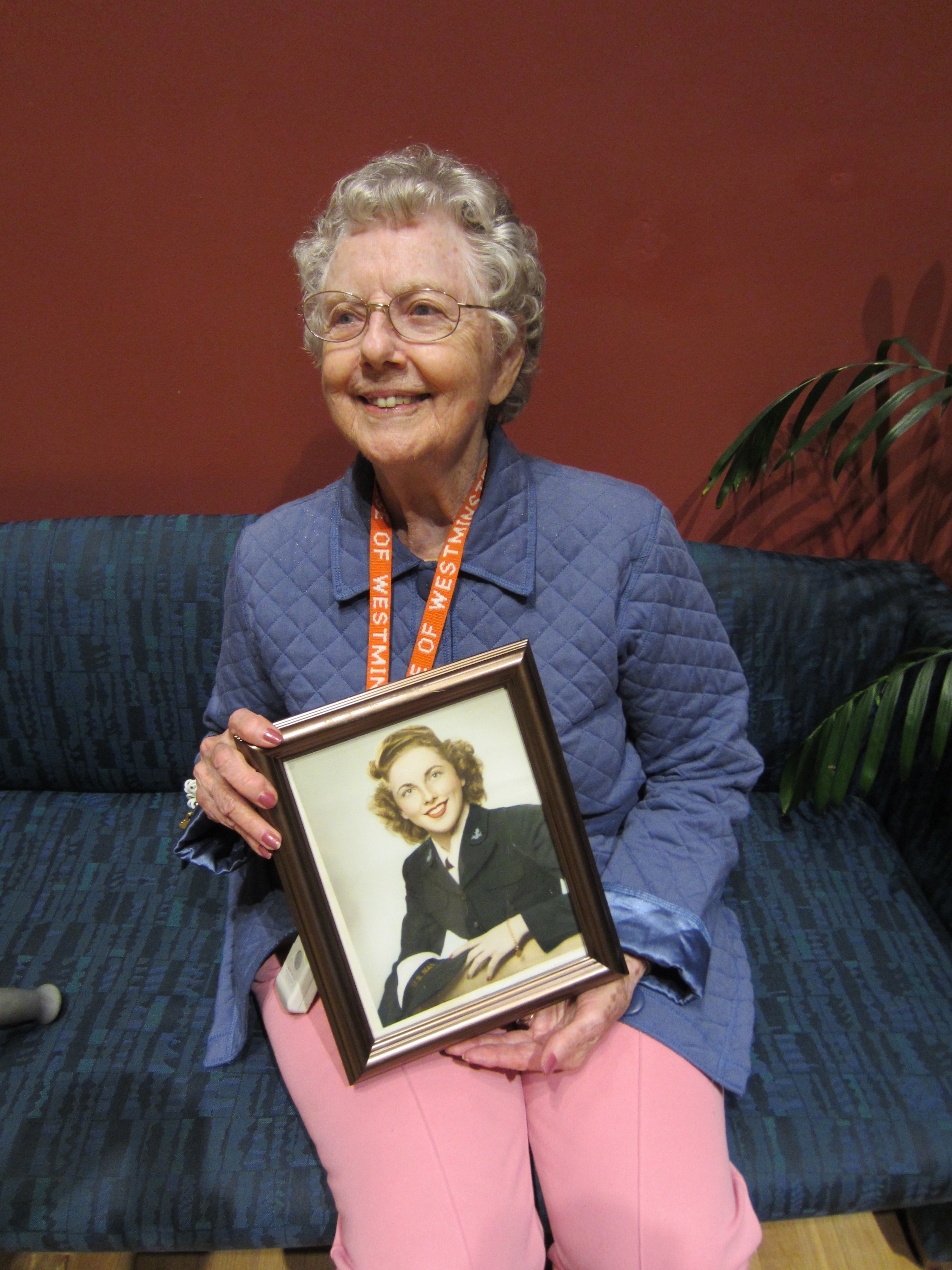
WAVE attending the Homefront Heroines: The WAVES of World War II preview screening at the Broomfield Library.
 Hinges of History