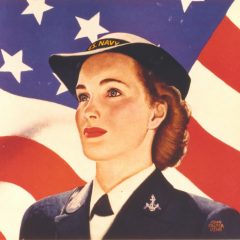
Dorothy Turnbull Stewart

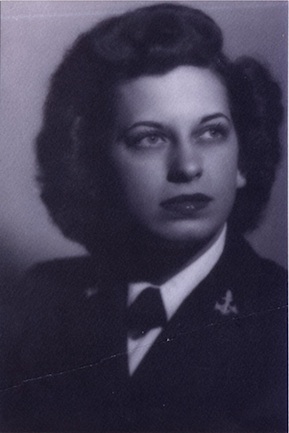
Meet Dorothy Turnbull (Stewart). Dorothy served as a WAVE during World War I. She was a recruiter based in southern Texas and she encouraged women to enlist in the WAVES during World War II.

Over the next few days, we’ll bring you Dorothy’s story, in her own words. She’s also featured in the film Homefront Heroines: The WAVES of World War II.

This is a photograph of Dorothy during her Navy career. It comes from the collection of Dorothy Turnbull Stewart.

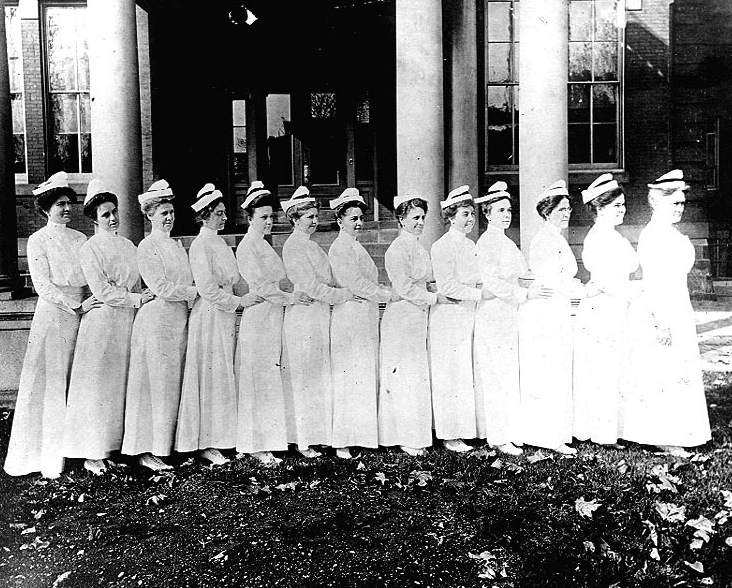
On the Front Lines

When World War I broke out in Europe in 1914, two Navy Nurses requested discharges and joined the Red Cross. There they served in the war zone, helping treat men who were injured in battles.

The women would spend a year on the front lines. In 1915, both returned to the United States and reenlisted in the Navy. Their experience was important, because it would help shape the role of women when the U.S. entered the “Great War” two years later, in 1917.

This photograph at the U.S. Naval Hospital in Norfolk, circa 1914, comes from the collection of the Naval History and Heritage Command.

Expanding the Nursing Corps

The group of nurses gradually grew from the “sacred 20,” the first group making up the Navy Nurse Corps. By the end of 1909, 37 nurses where in the Navy, scattered at stations across the continental United States.

Demand increased, and the Corps grew. By 1913, there were approximately 160 Navy Nurse Corp members. They were assigned to U.S. hospitals, but also to locations in Pearl Harbor (then a U.S. territory), the Philippine Islands, Guam, Samoa, Japan, Cuba and the Virgin Islands. For a brief time in 1913, Navy nurses served aboard ships: the USS Mayflower and the USS Dolphin.

This photograph at the U.S. Naval Hospital in Philadelphia, circa 1914, comes from the collection of the Naval History and Heritage Command.

The First Navy Nurses

It wasn’t until 1908 that Congress allowed women to serve in the Navy – as nurses. On May 13th of that year, the Navy Nurse Corps was established.

Women had to have at least two years formal training as “graduate nurses” and also have relevant clinical experience to qualify.

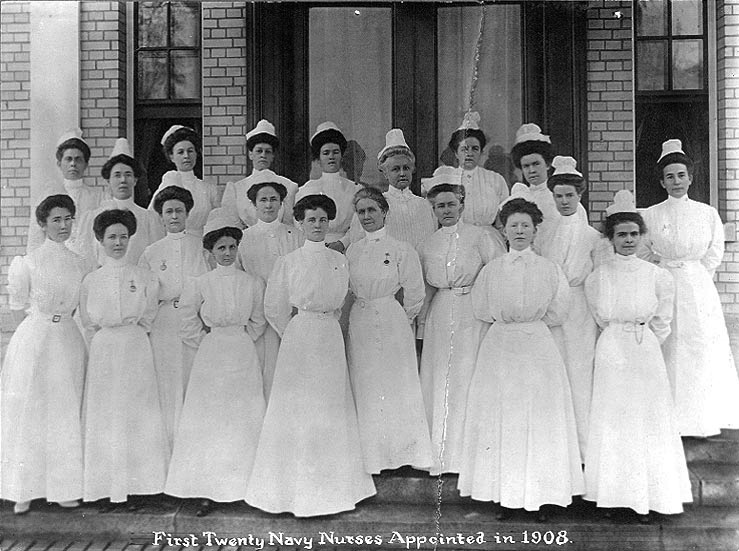
Nineteen women were part of the first nurse contingent,. A 20th, Esther Vorhees Hasson, was a former Army nurse who was tapped to lead the women in the Navy Nurse Corps.

This photograph of the “sacred 20” comes from the collection of the Naval History and Heritage Command.

Spanish-American War

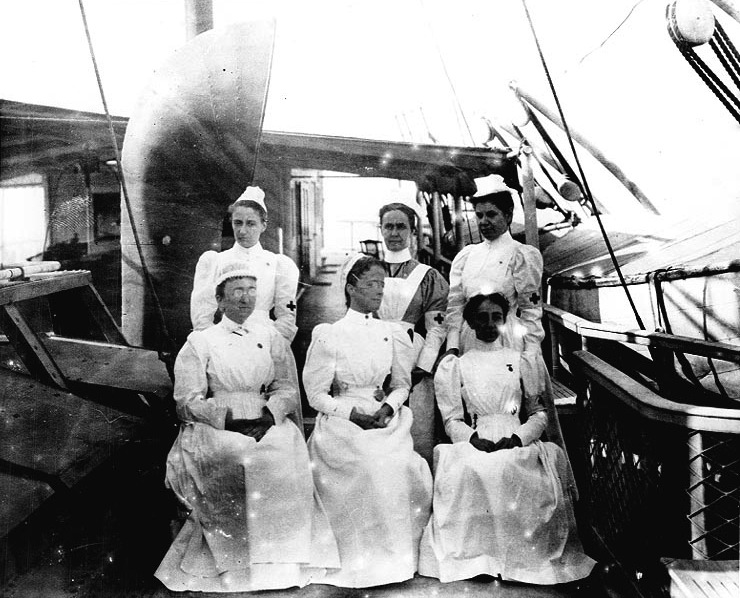
The Spanish American War would mark the first time non-religious female contract nurses would be hired by the Navy to serve ashore.The Army, meanwhile, hired women nurses to serve aboard ship on the Relief.

The use of women as nurses during wartime, both the Civil War and Spanish-America War, would lead to the establishment of nursing as a real profession requiring formal training — a profession both open to and dominated by women. It would also lead to the establishment of a formal female nursing corps within the military.

This image is of contract nurses serving in Cuban waters aboard the Army ship Relief. It comes from the collection of the Naval History and Heritage Command.

Albert D. J. Cashier

On August 3, 1862, a nineteen-year-old Irish immigrant named Albert D. J. Cashier, enlisted in the 95th Illinois Infantry. Cashier fought in about forty battles and served until August of 1865.

It wasn’t until 1913 that Cashier, then living in the Quincy, Illinois, Soldiers’ Home, was discovered to actually be a woman. A 1915 deposition from a fellow soldier held by the National Archives found that the deception was extensive, aside from being the shortest person in the company, there was no other indication that Cashier was female.

Cashier died the following year in an insane asylum.

This image comes from the Illinois State Historical Library and the National Archives.

Sarah Edmonds Seelye

Another Civil War cross-dresser was Sarah Edmonds. She assumed the alias of Franklin Thompson and served with the Union Army. She was a nurse and dispatch carrier.

Edmonds ended up deserting her duties. She had contracted malaria and feared she would be revealed as a woman when she was hospitalized. Nonetheless, she ended up receiving a military pension because of her service. Seelye married L.H. Seelye, raised three children, and died in 1898 in Texas.

This image comes from the State Archives of Michigan and the National Archives.

Civil War Battlefields

Like the American Revolution, some women dressed as men in order to serve in the Civil War. Post-war estimates put the number at about 400, but even at the time Mary Livermore with the U.S. Sanitary Commission wrote:

I am convinced that a larger number of women disguised themselves and enlisted in the service, for one cause or other, than was dreamed of. Entrenched in secrecy, and regarded as men, they were sometimes revealed as women, by accident or casualty. Some startling histories of these military women were current in the gossip of army life.

One of those women was Frances Clayton, who dressed as a man and served many months in the Missouri artillery and cavalry units. The image comes from the Trustees of the Boston Public Library and the National Archives.

Mother Angela

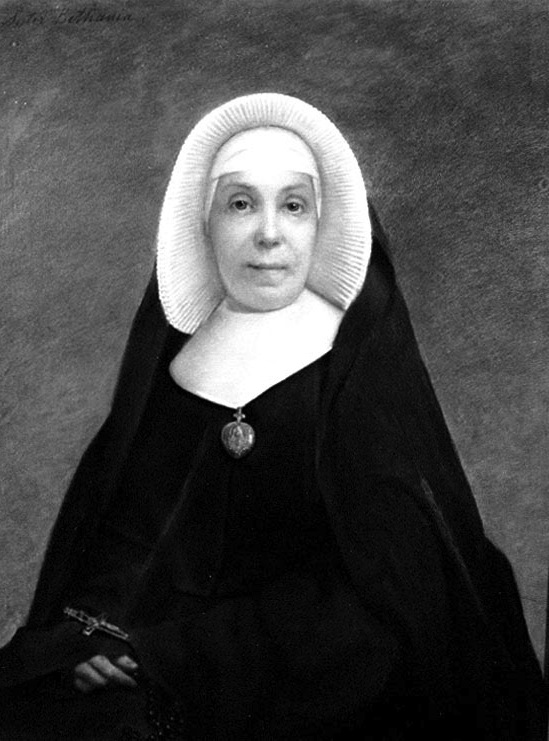
Eighty Sisters of the Holy Cross served the Navy as nurses aboard the USS Red Rover during the Civil War. The Red Rover was a hospital ship based in the Mississippi River.

They were supervised by Mother Angela Gillespie, founder of the Sisters of the Holy Cross.

This engraving of Mother Angela comes from the U.S. Naval History and Heritage Command.

Mary Marovich Ryan

We’re taking a break today from the Navy historical firsts for women to honor an important women to the Homefront Heroines crew.

March 8th is the birthday of the woman who inspired the Homefront Heroines project. Mary Marovich was born in Chicago on March 8th 1921. She enlisted in the WAVES in 1943 and after boot camp at Hunter College she became a Pharmacist’s Mate based at Treasure Island in San Francisco.

Mary worked as a telephone operator in Chicago before enlisting in the Navy. She followed six of her brothers into the service – four were with the Army, and two were first class petty officers in the Coast Guard (her younger brother would serve in the military in the Korean War).

Mary said before enlisting:

I’d really like to wear a six star pin (to honor her brothers), but I can’t find a story that sell them!

Mary married James Warren Ryan, an Army Air Corps pilot, while she was in the service. She left in 1945 after V-J Day and died in 1992.

Happy birthday, Mother!