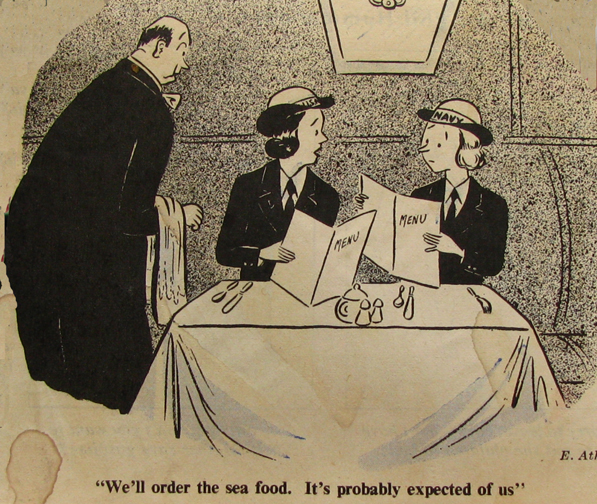
The WAVES’ name evoked the ocean – and even though many bases and training centers were landlocked, the Navy still was associated with the sea. And so, dinner expectations.
This comic comes from the collection of Liane Rose Galvin.
A Blog About Women Who Were Homefront Heroines: the WAVES of World War II
The WAVES’ name evoked the ocean – and even though many bases and training centers were landlocked, the Navy still was associated with the sea. And so, dinner expectations.
This comic comes from the collection of Liane Rose Galvin.
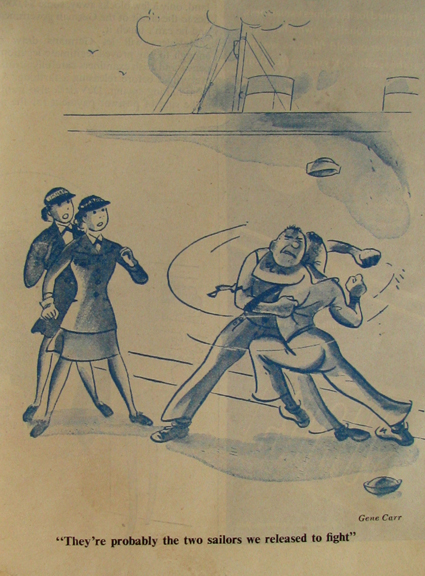
This likely isn’t what the military was thinking about when they released the film Why We Fight or when they came up with the slogan “Free a Man to Fight.”
The comic from an unknown magazine comes from the collection of Liane Rose Galvin.

Comics about the WAVES’ experiences appeared in the dozens of military training center and base newspapers/newsletters across the country. But mass market newspapers and magazines also offered cartoons and other drawn interpretations of the WAVES’ experience. Some, like this one, offered an inspirational message, showing the women as part of a larger military team which included military men, WACs, Women Marines and even a Red Cross “donut Dolly” woman.
And note the dates of the War Bond Drive.
This comes from the archives at the University of Northern Iowa.

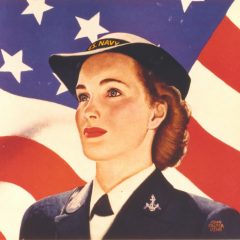
This WAVE greeting card comes from the collection of Liane Rose Galvin. May you have a safe and happy Fourth of July!

WAVES newsletters and booklets also explained to women what would happen as they left the military. This image comes from the Women’s Reserve Information: Separation Pamphlet. The pamphlet outlined the transition process from WAVE to civilian at war’s end.
The first group of WAVES left shortly after V-J Day in fall of 1945. The separations would continue through the next couple of years until the passage of the Women’s Armed Services Integration Act in June of 1948. At that point, WAVES were qualified to become a part of the peacetime Navy.
Merrily Kurtz served in the WAVES until 1947, then eventually got married and had a family. She later joined WAVES National, the group for female sea services veterans.

She says of her time in the Navy and WAVES National:
I wanted to get away from home. I wanted to get out and see the world. And I did, I really did. And I have since. I’ve been lucky. I’ve gone to conventions and stuff. Met a lot of good people. That’s something. And I don’t know, isn’t that enough?
This photograph comes from the collection of Merrily Kurtz Hewett.
WAVE Patricia Farrington Siegner was based in Hawaii when the war ended:
At the end of the war I came off, we first went to this bar and had a drink (laughs) and then went onto the night watch. After we got off, we were required, mind you, having been on duty all night and watch, to be on regimental review! And I thought, “What in the world is this? It’s the end of the war!” Then they suddenly got very GI, what we called all-Nav. We used to call it all-Nav. We had to stand regimental review and we thought it was ridiculous.

This photograph is of a group of WAVES from Oregon stationed in Hawaii during World War II. It comes from the National Archives.
WAVE Merrily Kurtz Hewett remembers being on the job in Hawaii:
We all went to work about the same time, so it just seemed that — and you had to be in by 10. So you had to be on the base by six, I think. You could have company for the dances. But it was al open air, too. We didn’t have windows, it was just screens. It was Hawaii. You know they talk about the bugs now. And maybe mice or rats. And I don’t remember any of that at all. At all.
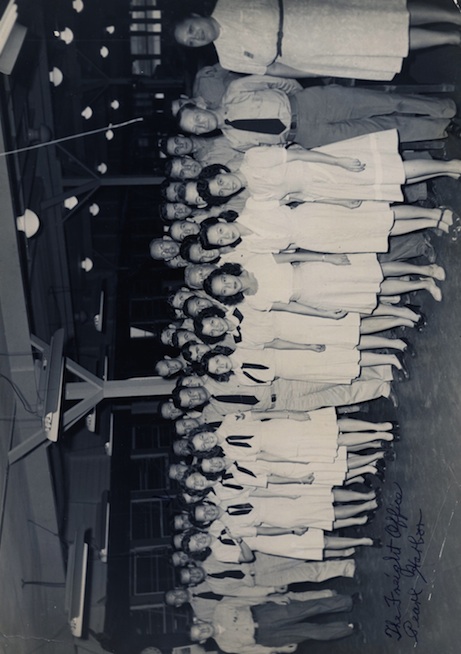
This photograph shows Merrily and her co-workers in Hawaii during World War II. It comes from the collection of Merrily Kurtz Hewett.
WAVE Patricia Farrington Siegner worked in an underground bunker when she was stationed in Hawaii, coding and decoding military messages:
I couldn’t tell my mother where I was. I have, I have in these letters, I’ve got cut outs, paper dolls where the censor took stuff out. And of course it went over once it looked like we were going to sign armistice they didn’t have so much censorship. But I couldn’t tell her where I was. So I said, she wanted to know. And of course it would have been cut out. So I told her, “Think about your favorite fruit.” She loved pineapple (laughs). And she got it right away. You see, it was a territory then. It was not a state, so it was different, entirely different. Entirely different. We were in the center of the Pacific Theater War.
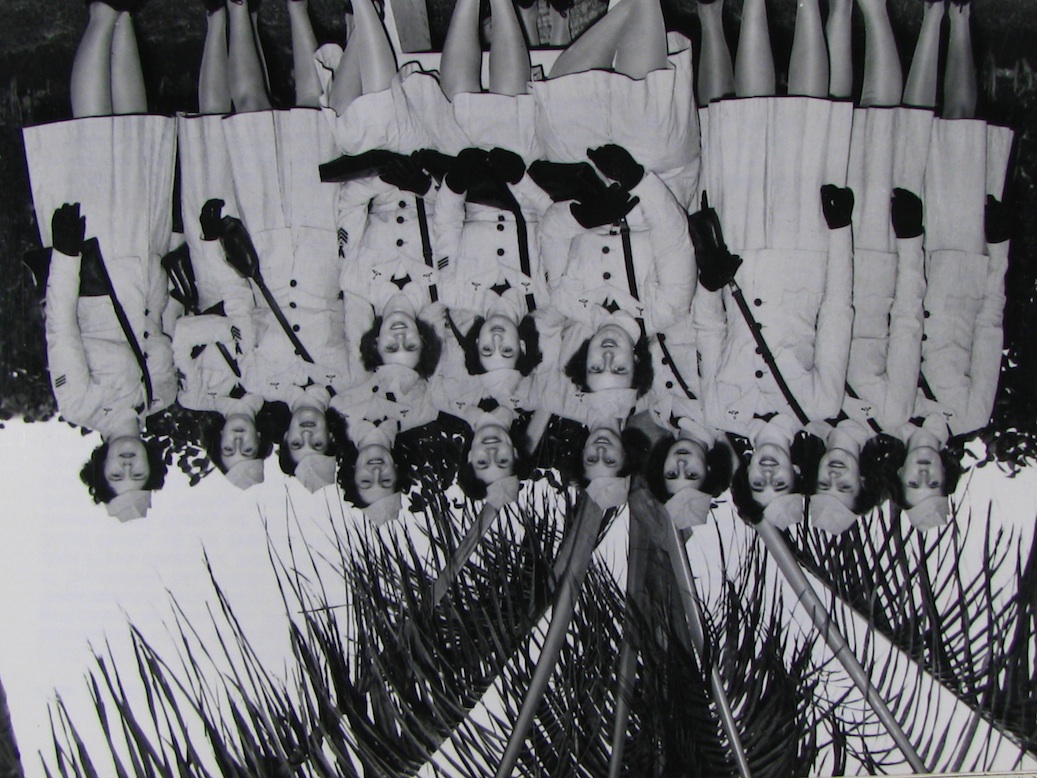
This photograph of WAVES in Hawaii comes from the National Archives.

This photo from the National Archives shows three sailors talking to WAVES on the bus transporting them from port to the base in Hawaii.
 Hinges of History