The “Campaign”

You had to be 20 to go in.  Your brothers could go in at 18.  And so I had a lot of friends that spent their 19th year trying to persuade the old man to sign for you. “What about Rosie O’Donnell’s father letting her join the Marines and you don’t mean to say the O’DConnells have more moxie than the Demodys!”  It was a campaign.

-Josette Dermody, World War II WAVE

This photo from the WAVES Hunter College boot camp shows Josette Dermody at front lower right (with her head turned). It comes from the collection of Josette Dermody Wingo.
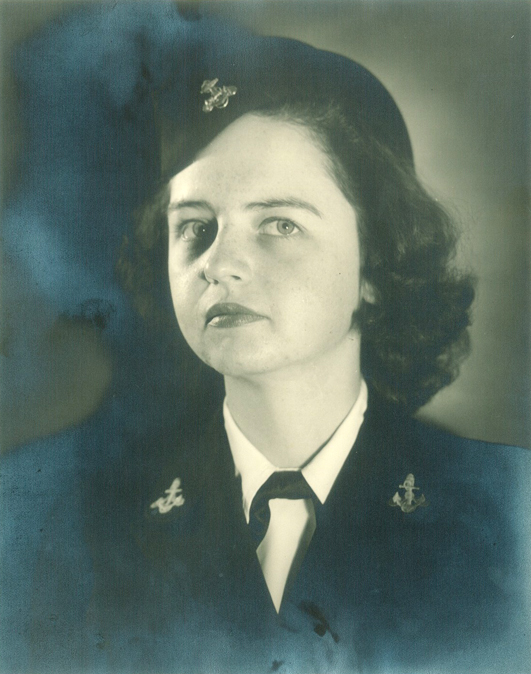
Meet Josette Dermody

Josette Dermody was born in Detroit, Michigan. She grew up in a Catholic family, attended parochial school and really really didn’t want the future she thought was mapped out for her:

I was supposed to go to the Convent.  The nuns had me. They were zeroed in on me and I didn’t want to. Becoming a nurse, becoming a teacher, working in an office or a nun and that, that was about it.  And of course getting married and having twelve kids.

So first chance she got, she enlisted in the WAVES.  This photograph comes from the collection of Josette Dermody Wingo.
The Newbie

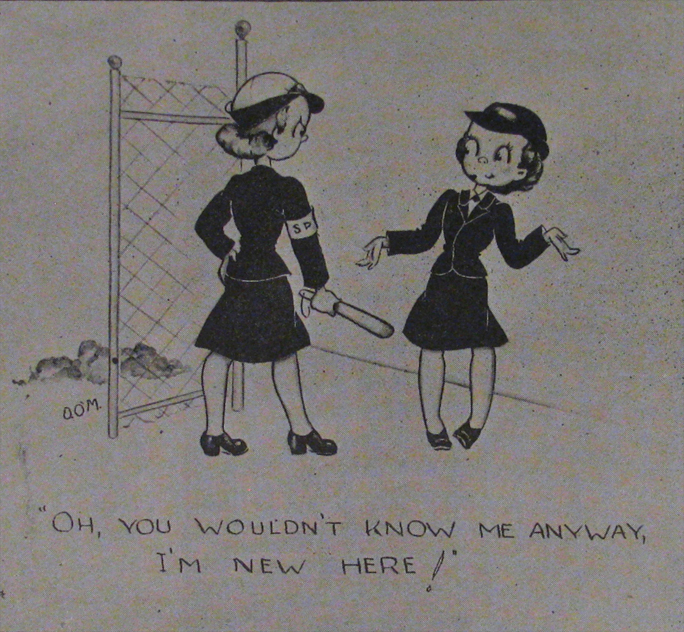
This comic (using a modified version of the “little girl” look seen on WAVES’ greeting cards) pokes fun at the disorientation women felt when entering boot camp. It also offered a pretty clever way of getting out of trouble – the “I’m new” approach.

This cartoon comes from the The Betty H. Carter Women Veterans Historical Project at the University of North Carolina Greensboro.

The Military Team

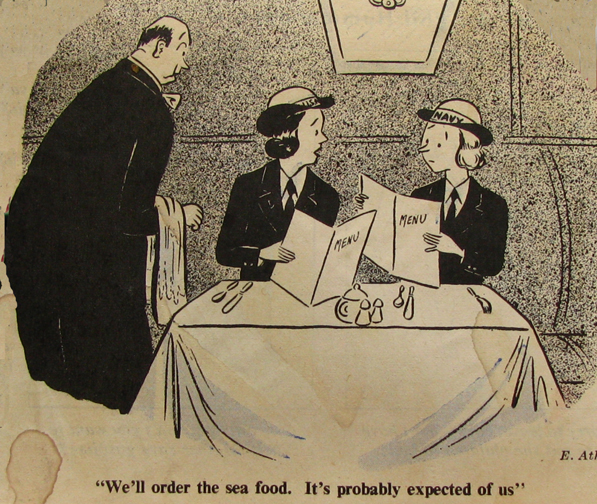
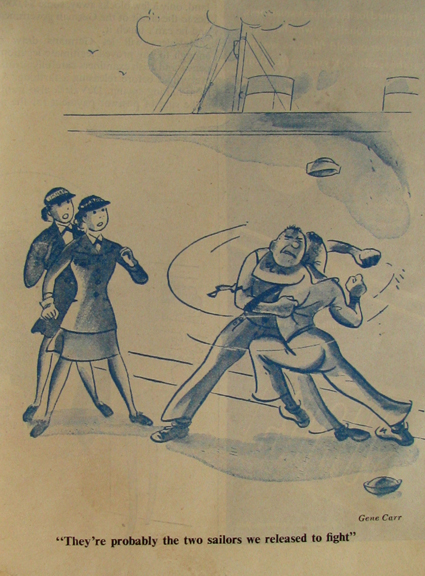
Comics about the WAVES’ experiences appeared in the dozens of military training center and base newspapers/newsletters across the country. But mass market newspapers and magazines also offered cartoons and other drawn interpretations of the WAVES’ experience. Some, like this one, offered an inspirational message, showing the women as part of a larger military team which included military men, WACs, Women Marines and even a Red Cross “donut Dolly” woman.

And note the dates of the War Bond Drive.

This comes from the archives at the University of Northern Iowa.