Classroom Coding

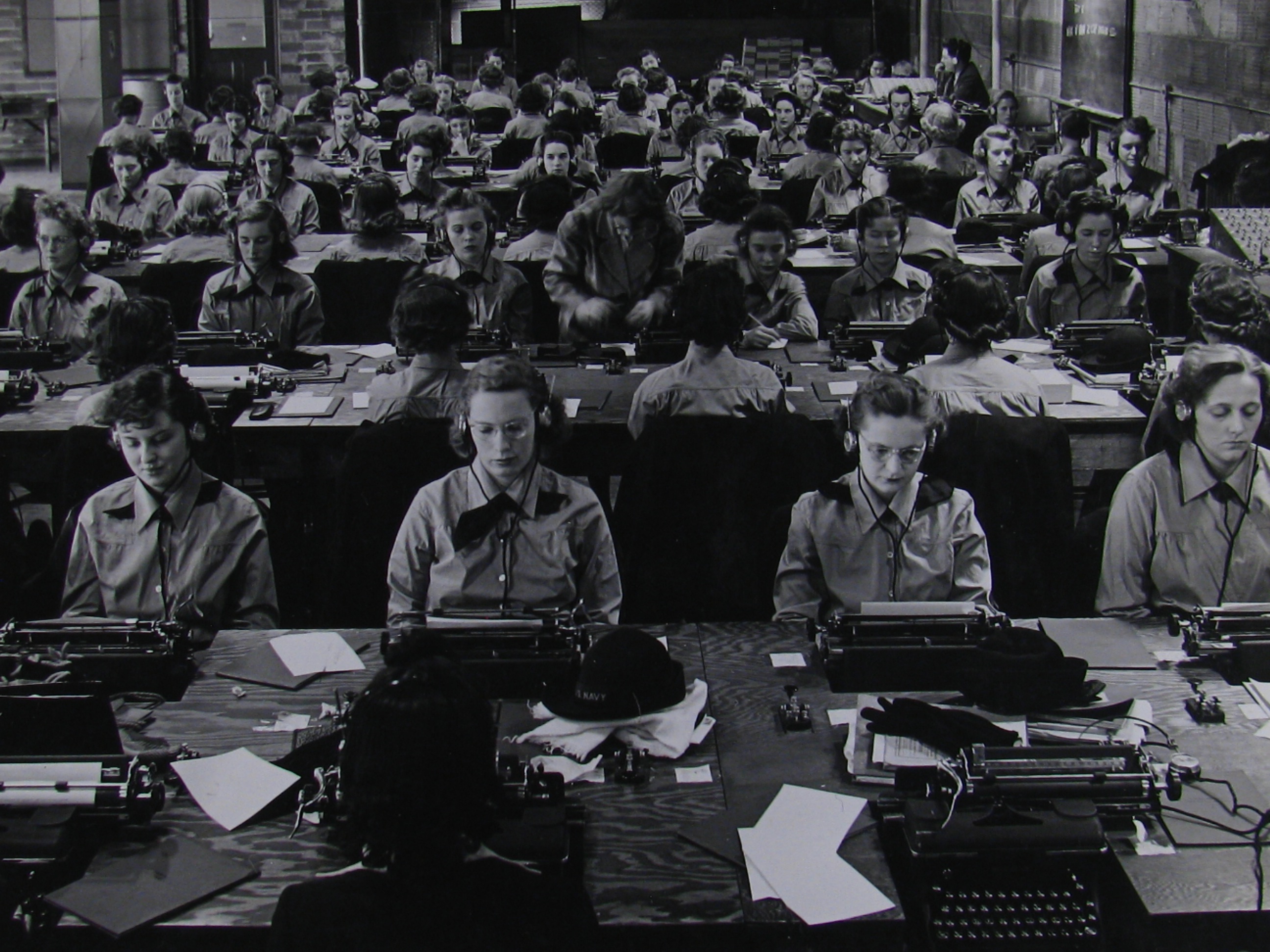
A sea of young women in headsets – that was typical of how WAVES learned the skill of radio coding at the University of Wisconsin in Madison, one of the first training schools that opened for WAVES in fall of 1942.

The photograph comes from the National Archives.

The First to Arrive

Lt. Elizabeth Boland (left) greets Lt. Eleanor Denton Rich as Lt. Cmdr. Wilson McCandless looks on. Rich was the first member of the WAVES to arrive at the Women’s Reserve Naval Training School at Smith College in Northampton, MA.

The photograph comes from the National Archives.

Arriving at Smith

Women arrive at Smith College for their officer’s training. Only four of the women are identified in the photo: Billye Wilde, Bette Evans, Eleanor Rich and Frances Rich. The other woman (partially hidden behind the suitcases) and the two helpful sailors are not identified.

The photograph comes from the National Archives.

Officers of Staff

The main officers of staff at the Women’s Reserves Officer Naval Training School, Smith College, Northampton, MA. They are (left to right): Lt. Bonnie Stewart, Lt. Cmdr. Wilson McCandless, Lt. Elizabeth Crandall, Captain Herbert Underwood and Lt. Cmdr. Philip Baker.

The photograph comes from the National Archives.
First Officer Class

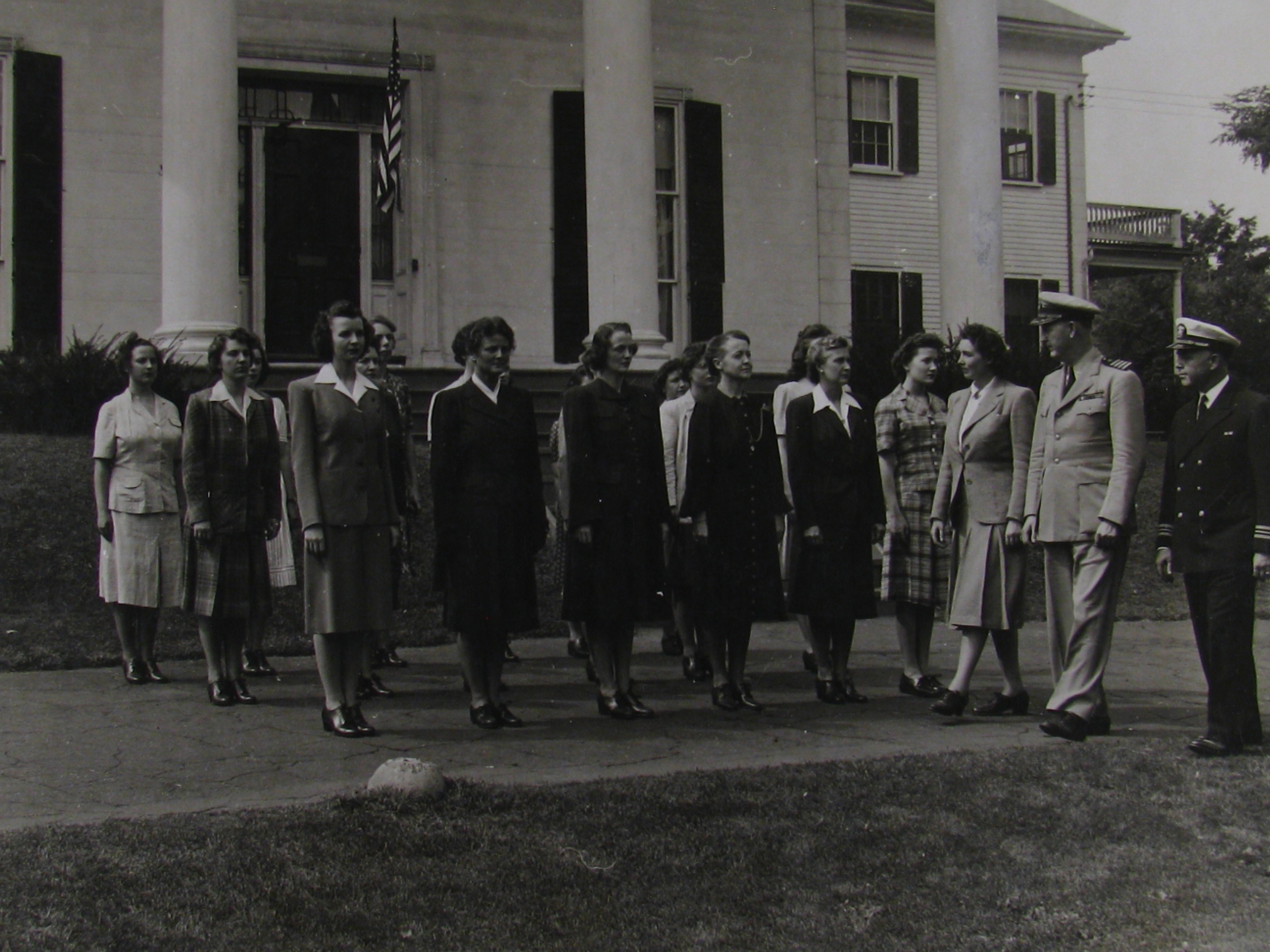
This photograph, dating from August 1942, shows the first WAVES’ officers class at Smith College, who Joy Bright Hancock referred to as the “great unwashed.” The officers didn’t have uniforms when they began and the Navy was developing policy as the women went through training. They would later be the women to train other officers at Smith, as well as enlisted women at facilities around the country.

The photograph comes from the National Archives.
At the Helm at Smith

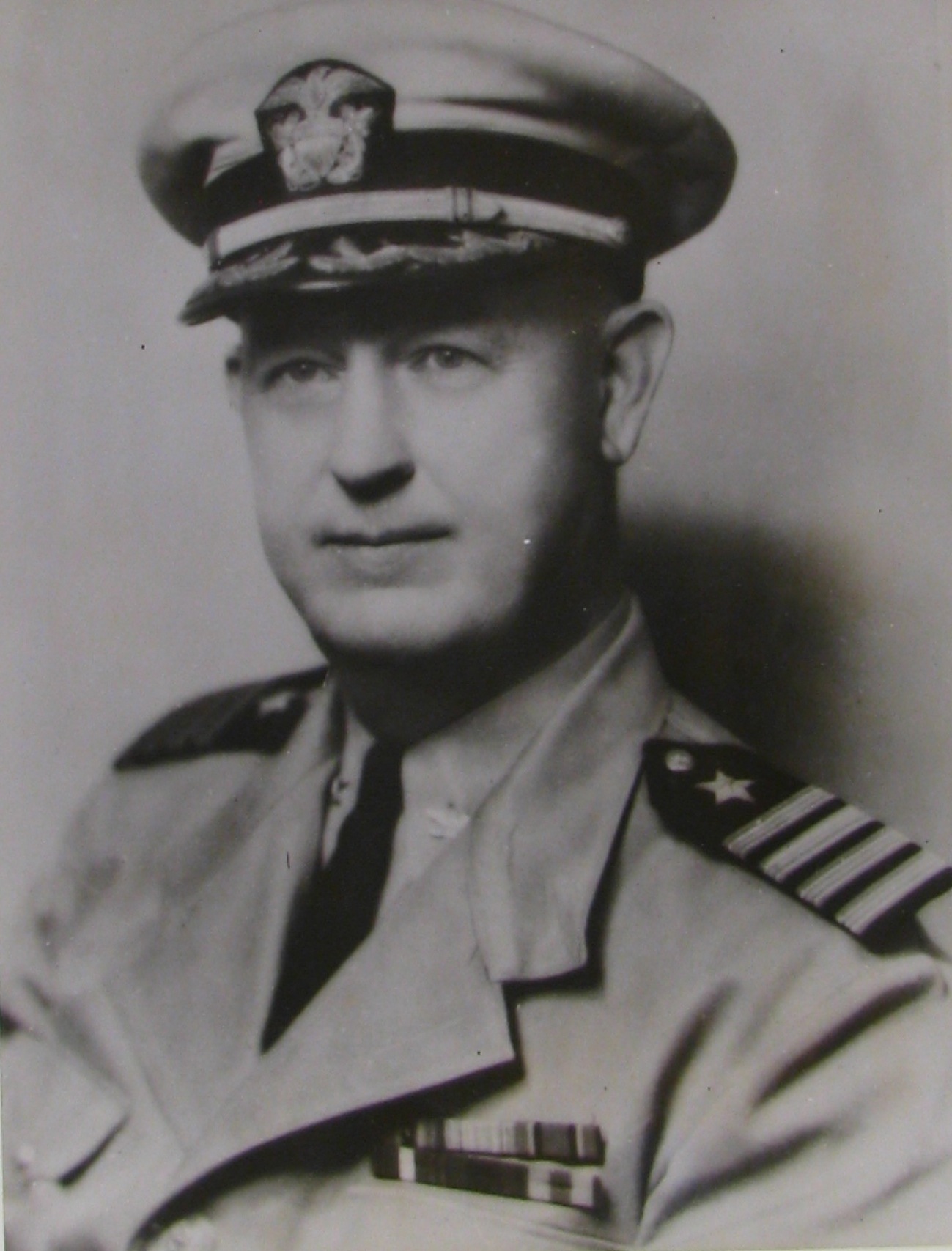
Captain Herbert Underwood, who was the chief commanding officer of the Smith College training facility for WAVES Officers. He was a graduate of the Naval Academy who the Navy recalled from retirement during World War II specifically to help coordinate and train the new WAVES.

He took to his new duties with humor and creativity and by all accounts was highly respected by the women he supervised. After handling one unusual request (the marriage between two Navy officers) he noted: “Uncharted waters. Proceed with caution.”

To the Civilian World

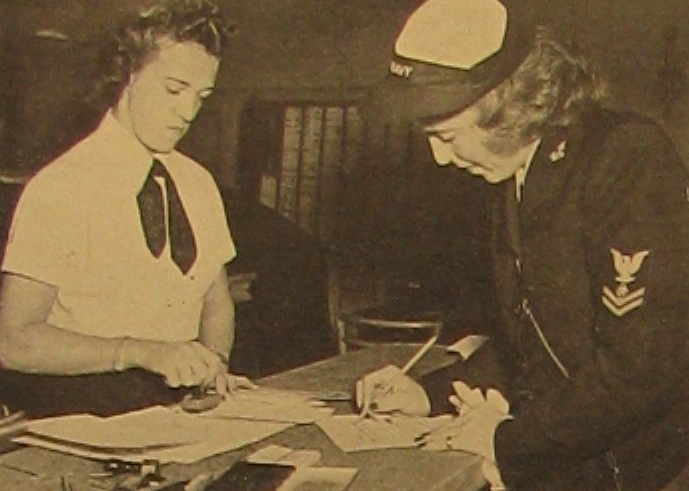
As WAVES went through separation from the Navy at war’s end, one thing they would learn is how to readjust to civilian life. Here, a “trained interviewer” provides former WAVE Recruiter Helen Kiley with that crucial information at a separation unit in New York City.

It comes from The Arthur and Elizabeth Schlesinger Library on the History of Women in America at the Radcliffe Institute for Advanced Study, Harvard University.

Medical Check-Up

As WAVES were leaving the service, one of the first things they would get was a medical check-up to make sure they were still in tip-top shape. Here, a pharmacist’s mate assists WAVE Helen Kiley in the final medical exam at the separation unit in New York City.

It comes from The Arthur and Elizabeth Schlesinger Library on the History of Women in America at the Radcliffe Institute for Advanced Study, Harvard University.

Separation Units

The Navy’s newsletter for WAVES showed what they could expect as they moved through the separation units. This photograph shows WAVE Helen M. Kiley, recruiter, going through the process at a  separation center in New York City. It comes from The Arthur and Elizabeth Schlesinger Library on the History of Women in America at the Radcliffe Institute for Advanced Study, Harvard University.