SPARs Commander

The SPARS, like the WAVES, turned to higher education for their leader. Dorothy Stratton was the first full time Dean of Women at Purdue University as World War II started. She left higher education to join the service, become a member of the first WAVES’ officer class at Smith College. She was then assigned as Assistant to the Commanding Officer of the WAVES radio training program at the University of Wisconsin, Madison.

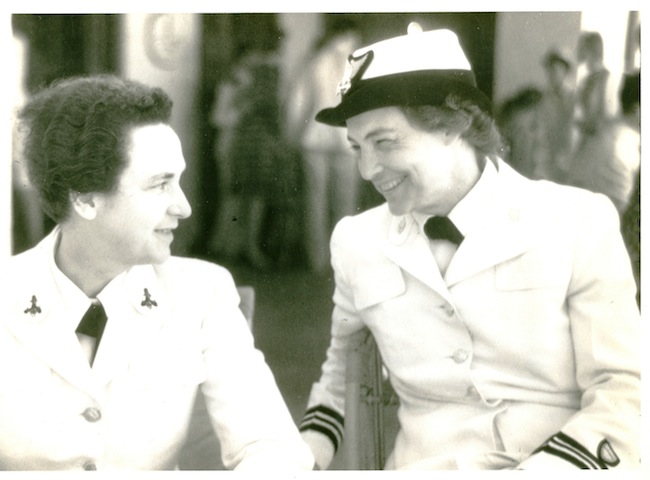
This photograph of Stratton and WAVES commander Mildred McAfee comes from the U.S. Coast Guard.
Classroom Coding

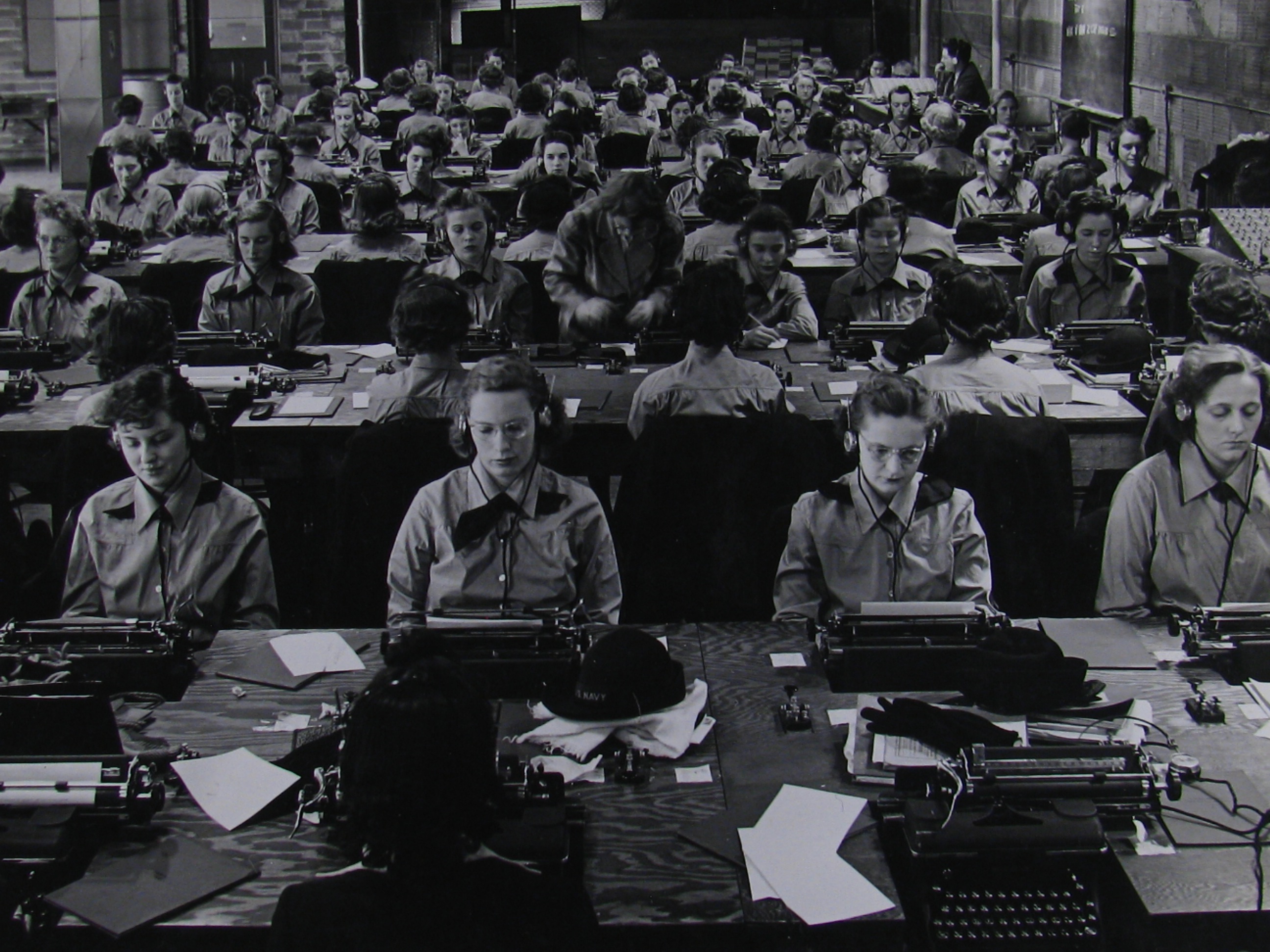
A sea of young women in headsets – that was typical of how WAVES learned the skill of radio coding at the University of Wisconsin in Madison, one of the first training schools that opened for WAVES in fall of 1942.

The photograph comes from the National Archives.

Arriving at Smith

Women arrive at Smith College for their officer’s training. Only four of the women are identified in the photo: Billye Wilde, Bette Evans, Eleanor Rich and Frances Rich. The other woman (partially hidden behind the suitcases) and the two helpful sailors are not identified.

The photograph comes from the National Archives.

Separation Units

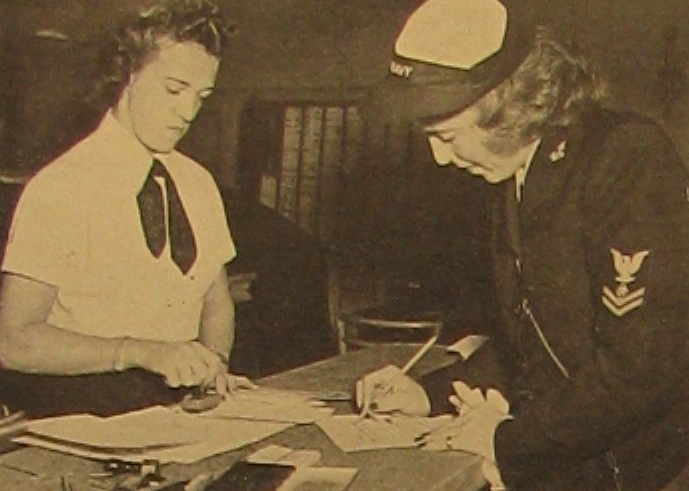
The Navy’s newsletter for WAVES showed what they could expect as they moved through the separation units. This photograph shows WAVE Helen M. Kiley, recruiter, going through the process at a  separation center in New York City. It comes from The Arthur and Elizabeth Schlesinger Library on the History of Women in America at the Radcliffe Institute for Advanced Study, Harvard University.

“Your ‘Separates'”

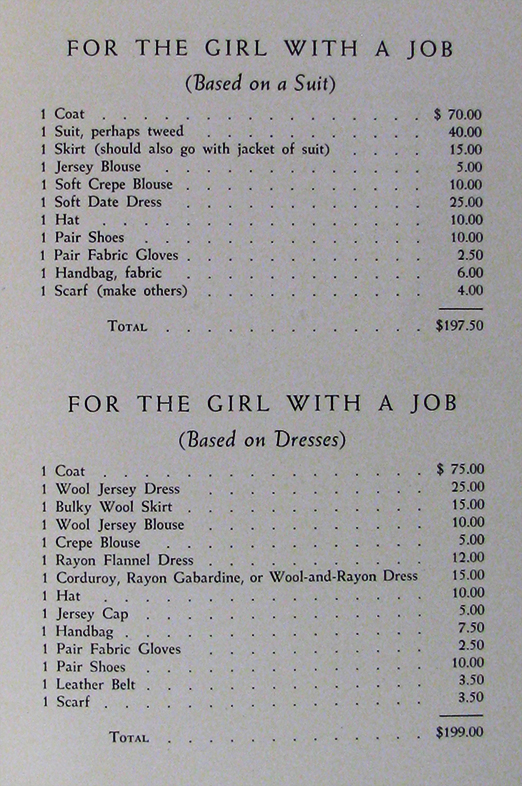
The Navy booklet women received upon leaving the service offers suggestions for dressing in skirts and tops, suggesting soft blouses or turtlenecks for the top half of the body, and the following for the bottom:

The skirt – a heavy woolen, gathered, dirndl-fashion, into a belt. May be tweed, plain, check, stripe.

The skirt is the smooth wool jersey with high turtle neck.

An important wide belt gives a put-together look to these newest of the “separates.”

From the booklet “Back to Civvies,”  held by the The Betty H. Carter Women Veterans Historical Project at the University of North Carolina Greensboro.